
Making Peace With Your Wandering Mind in Meditation
Embracing the Brain's Natural Chatter
So, you’ve decided to try meditation. You sit down, close your eyes, and wait for that blissful state of mental silence you’ve heard so much about. Instead, your brain throws a party. Suddenly, you’re replaying a conversation from yesterday, planning dinner for tonight, and wondering if you remembered to water the plants. It’s a common experience, and it’s perfectly okay. The goal of meditation isn’t to achieve a completely empty mind, which is a bit like asking the ocean to stop having waves.
Think of your attention as a new puppy. You wouldn’t scold it for wandering off to sniff something interesting. You would just gently and patiently call it back to your side. Your mind is no different. This constant stream of thoughts is often called the “monkey mind” in Buddhist traditions, not as a flaw, but as the very starting point of the practice. The real work of meditation is simply the gentle act of noticing your mind has wandered and kindly guiding it back.
Even physical restlessness, like a sudden itch on your nose or the urge to fidget, is part of the process. Instead of fighting it, just notice it with a quiet acknowledgment, “Ah, an itchy nose,” and then return your focus to your breath. Learning how to start meditating begins with this foundation of self-compassion. You’re giving yourself permission to be beautifully, wonderfully imperfect.
Simple Anchors for a Drifting Focus

Now that we’ve agreed to be kind to our wandering minds, let’s give them a friendly place to rest. An anchor is simply a point of focus you can return to again and again. It’s a home base for your attention. Finding the right one can make all the difference in learning how to focus during meditation. Here are a few simple options to experiment with:
- The Breath: This is the most fundamental and portable anchor you have. You don’t need any special equipment, just your own body. Focus on the simple, physical sensation of air moving in and out. Feel the coolness as you inhale through your nose and the warmth as you exhale. When your mind drifts, just bring it back to the next breath. As the NHS explains, this gentle redirection is a core tenet of the practice; if your mind wanders ten times, you simply bring it back ten times.
- External Anchors: For some, the breath can feel too subtle. You can use sound as your anchor, whether it’s the rhythmic ticking of a clock, the hum of a fan, or even curated audio from our library of music meditations. You can also focus on a physical sensation, like the feeling of your hands resting on your knees.
- Guided Meditations: Think of these as training wheels for your mind. Following a calm voice can reduce the pressure to “do it right” and provide a gentle structure for your practice. If you're just starting, our guided meditation journeys can provide the support you need to build confidence.
- Walking Meditation: If sitting still feels like a battle, try an active alternative. The focus here is on the physical sensation of each foot connecting with the ground. Feel the heel, the sole, and the toes as you take each step.
Finding Time When You Have None
One of the biggest myths about meditation is that you need to find a silent hour on a mountaintop to do it properly. For most of us, life is a little more chaotic than that. The good news is that a consistent five-minute daily practice is far more impactful than a rare one-hour session. This is meditation for busy people, and it’s about finding pockets of peace in your existing day.
A wonderfully simple technique is called “habit stacking.” You link your new meditation habit to something you already do without thinking. Try meditating for three minutes right after your morning coffee or just before you brush your teeth. The old habit becomes a trigger for the new one, making it much easier to stick with.
You can also sprinkle “micro-meditations” throughout your day. These are tiny moments of mindfulness that can recenter you in seconds. You can turn almost any routine into a mindful moment, even learning how to practice shower meditation step-by-step. The key is to let go of the all-or-nothing mindset. Ultimately, meditation doesn’t take time, it creates it by helping you become more focused and present in everything you do.
| Technique | When to Use It | How It Helps |
|---|---|---|
| Three Conscious Breaths | While waiting for a red light, before a meeting, or when feeling overwhelmed. | Instantly grounds you in the present moment and calms the nervous system. |
| Mindful Sip | With your morning coffee or tea. | Turns a routine action into a sensory experience, fostering appreciation and presence. |
| One-Minute Body Scan | While waiting for a file to download or a kettle to boil. | Releases tension you might not have noticed and reconnects you with your body. |
| Mindful Listening | Anytime you hear a distinct sound (a bird, a siren, music). | Sharpens focus by directing your full attention to one sensory input. |
This table offers quick, practical ways to weave mindfulness into your day without needing to set aside a large block of time. These techniques are based on common mindfulness practices adapted for everyday situations.
Creating Your Personal Sanctuary
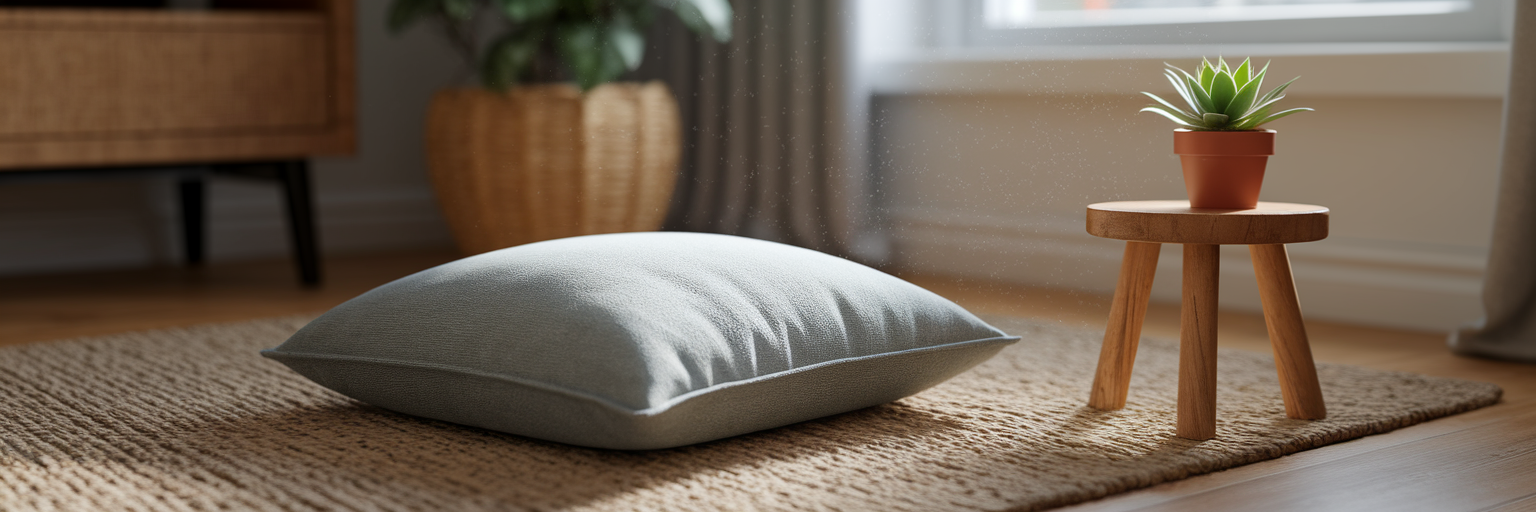
Your environment sends powerful signals to your brain. Just as you associate your bed with sleep, you can create a space that cues your mind it’s time for meditation. This doesn’t require a dedicated room or expensive decor. Your sanctuary can be as simple as a quiet corner of your living room with a comfortable cushion. The act of going to this spot helps your brain switch gears from “doing” to “being.”
Let’s talk about posture. Forget the idea that you need to twist yourself into a perfect lotus pose. Comfort is the priority. Sitting upright in a chair with your feet flat on the floor is a fantastic option. The goal is to be alert yet relaxed, not to endure discomfort.
Minimizing distractions is also helpful, especially when you’re starting. Here are a few gentle tips for creating a peaceful atmosphere in a typical home:
- Communicate your needs. Let family or roommates know you’ll be taking a few minutes for yourself. A simple heads-up can prevent interruptions.
- Put your phone on silent and out of sight. The mere presence of a phone can be a distraction. Moving it to another room is a powerful act of commitment.
- Consider headphones. If your environment is noisy, using headphones with ambient sounds or a guided meditation can create your own little bubble of quiet.
Experiment with different times of day to see what fits your personal rhythm. Your sanctuary can be as simple as a favorite chair, or you can make it special with a dedicated cushion or soft blanket from our collection of merchandise. The most important thing is that it feels like a welcoming space for you.
Staying Inspired on the Journey Inward
The most important tool you can bring to your meditation practice is self-compassion. It’s called a “practice” for a reason, not a “perfect.” Some days your mind will feel as calm as a still lake. On other days, it will feel like a chaotic traffic jam. Both experiences are valid and valuable parts of the journey. The goal isn’t to have only “good” meditations, but to show up consistently with kindness for whatever you find.
Here are some meditation for beginners tips for staying motivated. Focus on process-oriented goals rather than outcome-oriented ones. Instead of aiming to “become calm,” aim to simply “sit for five minutes daily.” This shifts the focus from judging your performance to celebrating your commitment, which is essential for building a meditation habit. You could even try a one-line meditation journal, not to rate your session, but just to note, “I sat today.”
Remember to look for the benefits outside of your formal practice. The real magic often appears in unexpected moments: a pause before reacting in a stressful conversation, a deeper appreciation for the taste of your food, or a newfound patience in a long line. These small shifts are the true signs of progress. They are quiet whispers from your inner self, reminding you that you are on the right path. As you continue on this path, remember there are always more resources to support your meditation practice.