How Reiki Helps Quiet a Busy Mind
What Is This Energy Thing Anyway?
Does your mind ever feel like a browser with too many tabs open? That constant hum of to-do lists, worries, and notifications can leave us feeling drained and disconnected. We often joke about needing to reboot ourselves, and in a way, that’s what Reiki offers. It’s a gentle Japanese technique for stress reduction that doesn’t require any complicated steps or mental gymnastics. It’s simply about inviting a sense of calm back into your system.
At its heart, Reiki works with the concept of ‘Ki,’ or life force energy. Think of this energy like a flowing river. When it’s clear and moving freely, we feel vibrant, balanced, and resilient. But daily stressors, old emotional baggage, and even physical tension can act like little dams in that river, causing the flow to become sluggish or stuck. This is often when we feel fatigued, anxious, or just plain “off.” This is the core of energy healing for beginners.
So, what is reiki healing exactly? It’s a practice where a practitioner gently places their hands on or just above your body to encourage your energy to find its natural rhythm again. It’s not about them “fixing” you or giving you their energy. Instead, they act as a channel, creating a peaceful and supportive space for your own body’s innate wisdom to do the work. It’s a beautiful complementary practice that works alongside conventional medicine, helping to soothe the nervous system and support your overall well-being. For those new to these ideas, exploring the broader world of spiritual wellness we share at Feed Your Spirit can be a wonderful starting point.
A Typical Reiki Session Unpacked
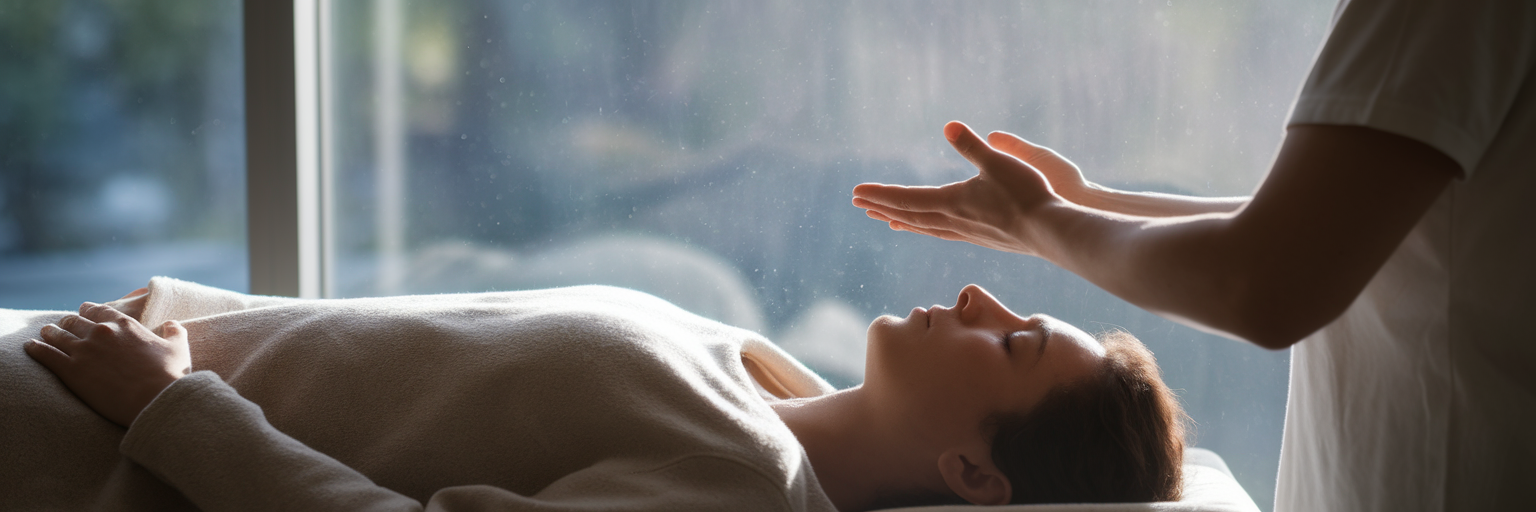
Walking into your first Reiki session can feel a little mysterious, but the experience is designed to be anything but intimidating. Imagine a quiet, peaceful room where you lie fully clothed on a comfortable table, much like a massage table, often with a soft blanket. The goal is to remove any fear of the unknown and simply allow you to rest.
The practitioner’s role is less like a mechanic and more like someone tuning a piano. They aren’t composing the music; they are simply helping the instrument return to its natural harmony. By placing their hands lightly on or near different areas of your body, they create a space for deep relaxation. This process helps activate your parasympathetic nervous system, the body’s “rest and digest” mode. It’s the direct opposite of the “fight or flight” response that so many of us live in, making it a powerful tool for managing reiki for stress and anxiety.
Everyone’s experience is unique, but here are a few things you might notice:
- A gentle warmth or coolness coming from the practitioner’s hands.
- A light tingling or buzzing sensation as energy moves.
- Seeing soft colors or images behind your closed eyes.
- A feeling of deep, heavy relaxation, as if you’re sinking comfortably into the table.
- Feeling absolutely nothing at all—and that’s perfectly okay! The energy is still doing its work, even if you don’t feel it in a tangible way.
The most important thing to remember is that there’s no right or wrong way to experience Reiki. Your only job is to breathe and be open to receiving a moment of profound peace.
The Ripple Effect on Your Well-Being
While a single Reiki session can feel like a mini-vacation for your nervous system, the cumulative benefits of reiki therapy create a lasting ripple effect in your daily life. It starts with your mind. By quieting the constant inner chatter, Reiki creates mental space. You might find yourself feeling less reactive to daily annoyances and more able to think with clarity. It’s like someone gently turned down the volume on your anxiety.
This sense of calm naturally extends to your physical body. Chronic stress often shows up as tension headaches, tight shoulders, or digestive issues. When your body is given a chance to truly rest during a Reiki session, it can begin to release that stored tension. Many people report sleeping more deeply and waking up feeling genuinely refreshed instead of just less tired. Its growing acceptance in supportive care settings is a testament to its gentle effectiveness. In fact, a 2024 meta-analysis published by the National Institutes of Health (NIH) confirmed that Reiki can be an effective method for anxiety and stress reduction.
Regular sessions help build resilience, making it easier to navigate life’s ups and downs from a place of balance. For those interested in a deeper exploration of their energy systems, a structured program like our Chakra Meditation Course can beautifully complement the balancing effects of Reiki.
| Common Effect of Chronic Stress | Potential Benefit of Reiki | How It Feels |
|---|---|---|
| Racing thoughts, mental fog | Improved mental clarity | Like turning down the volume on inner chatter |
| Muscle tension (shoulders, neck) | Physical relaxation | A sense of 'melting' or releasing held tension |
| Poor or restless sleep | Better sleep quality | Waking up feeling rested instead of drained |
| Feeling emotionally overwhelmed | Greater emotional balance | Feeling more grounded and less reactive |
| Constant fatigue or burnout | Restored energy levels | A gentle recharge for your inner battery |
Note: This table illustrates common experiences. Individual results can vary based on personal circumstances and consistency of practice.
Finding a Practitioner You Vibe With

Once you’ve decided to try Reiki, the next step is figuring out how to find a reiki practitioner who feels right for you. This is more about connection than just credentials. You can start by looking at professional directories online or asking for referrals from trusted local wellness spots like a yoga studio or an acupuncturist.
When you find someone who seems promising, don’t be shy about asking a few questions. It’s a great way to gauge if their approach aligns with what you’re looking for. Consider asking:
- What is your training and lineage? (Who did you learn from?)
- How long have you been practicing?
- What does a typical session with you look like?
- How do you describe what Reiki is and what it does?
Their answers are important, but the “vibe check” is just as crucial. Do you feel comfortable and safe talking with them? That feeling of trust is non-negotiable. You might see terms like Level I, II, or Master, which simply refer to their level of training and ability to teach others. A professional practitioner will always conduct a consultation beforehand and be clear that Reiki is a complementary therapy. If you want to dip your toes into guided energy work before booking a session, exploring some of our guided meditation journeys can be a gentle and beautiful first step.
Your Daily Dose of Calm: An Intro to Self-Reiki
Perhaps the most empowering part of Reiki is that you can share its calming energy with yourself. Learning how to do self reiki is a simple yet profound act of self-compassion. It’s a way to check in with your body and offer yourself a moment of peace, anytime and anywhere.
Here’s a simple way to begin:
- Find a quiet spot where you can sit or lie down comfortably. Take three deep, cleansing breaths to settle in.
- Set a simple intention in your mind, something like, “I am open to peace and healing.”
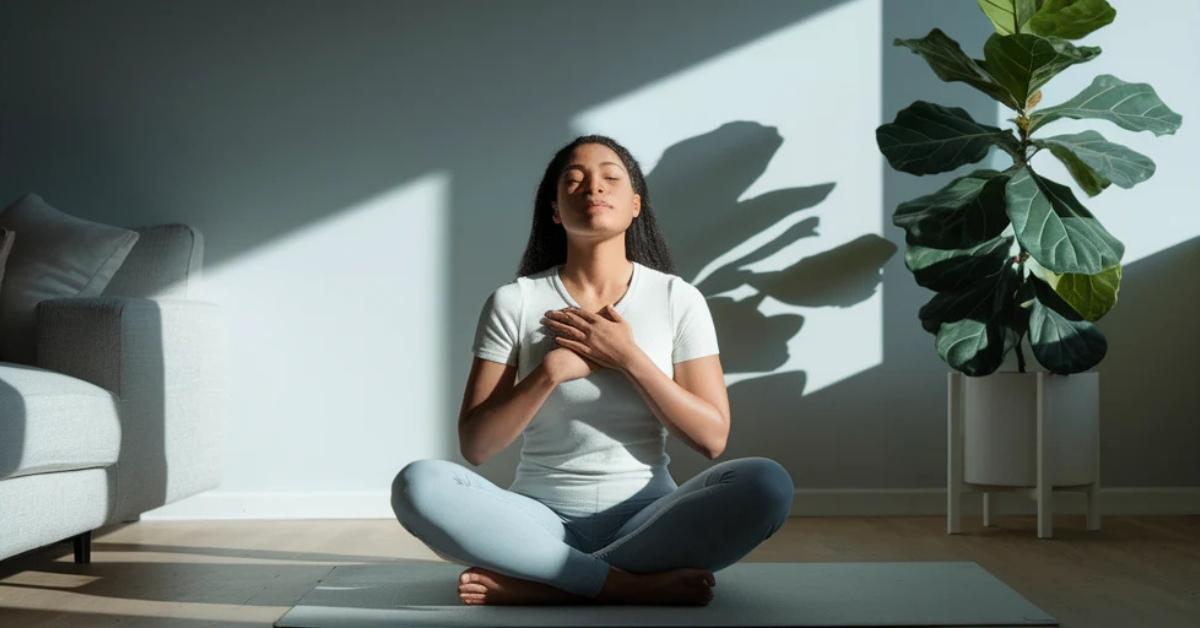
- Gently place your hands on your body. Great starting points are over your heart for emotional balance, on your belly to soothe nervous energy, or over your eyes and temples to ease mental fatigue.
- Hold each position for 3-5 minutes. Simply breathe and notice any sensations without judgment. Your mind will wander, and that’s okay. Just gently bring your focus back to your breath.
Remember, your intention is more important than the exact technique. This isn’t about getting it “right.” It’s about offering yourself kindness. You can weave this practice into your daily routine, perhaps upon waking or just before sleep. It pairs wonderfully with other simple mindfulness habits, like learning how to practice shower meditation, to sprinkle moments of calm throughout your day.