How Yoga Poses Can Quiet Your Mind
More Than Just a Physical Practice
We all know that wonderful feeling after a yoga class. Your shoulders feel a little looser, your spine a bit longer, and there’s a certain lightness in your step. But what if there’s another layer to the practice, one that offers deep and lasting yoga for inner peace? Think of yoga not just as a workout, but as a form of moving meditation. It’s a beautiful, accessible way to find stillness in a world that rarely stops moving. When we talk about spiritual growth here, we aren’t referring to any specific belief system. It’s simply about connecting with yourself, being present in your own life, and listening to that quiet inner voice.
The real magic isn’t in twisting yourself into a pretzel. It’s in the awareness you bring to each movement and every breath. It’s about noticing the subtle shifts in your body and mind as you hold a pose. This shift in perspective, from exercise to experience, is where the journey inward truly begins. By exploring this path, you can discover how to use your practice as a tool for mental quiet, which is a wonderful foundation for exploring other mindfulness practices we've shared.
Grounding Down to Rise Up

Before we can find stillness, we need to feel stable. This is where grounding yoga poses come in, connecting us to the earth so we can feel secure. Let’s start with Child’s Pose, or Balasana. This isn’t just a resting posture. It’s a profound act of self-compassion, a moment to curl inward and feel completely supported. As your forehead rests on the mat, it gently stimulates a nerve that sends calming signals to your brain, inviting your entire nervous system to take a deep, collective sigh of relief.
From that place of surrender, we can explore balance in Tree Pose, or Vrikshasana. This pose is a beautiful metaphor for life itself. You root down through one foot to find the stability to rise tall. Finding a drishti, a soft, unmoving focal point for your gaze, helps steady the mind when the body wants to sway. And if you wobble? That’s not a sign of failure. It’s a sign you’re human. Have a little giggle about it. Wobbling is just your body learning to find its center. The physical stability you cultivate on the mat has a funny way of translating into emotional and mental security long after you’ve rolled it up.
Creating Space for Inner Stillness
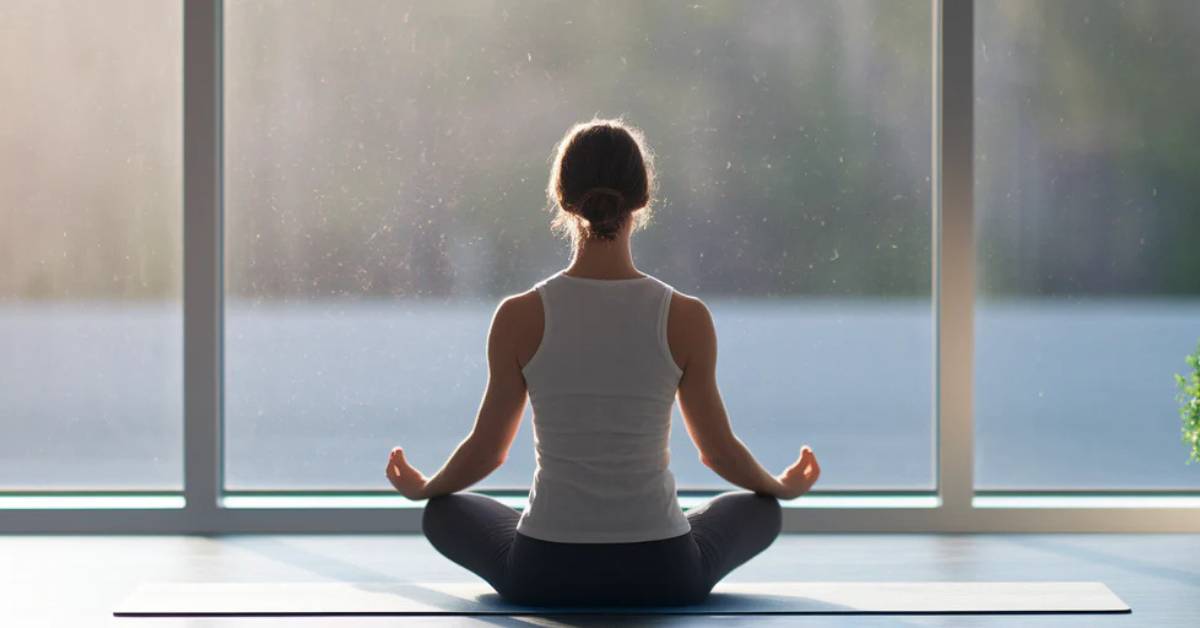
Once we feel grounded, we can create a container for stillness. This is the purpose of seated postures. Easy Pose, or Sukhasana, is the perfect starting point. Its name says it all. It’s meant to be comfortable and accessible, creating a stable base with an upright spine. This alignment isn't just for good posture. It allows your life force energy, or prana, to flow freely. As you explore this energy, you might become curious about the seven chakras we've written about and their connection to your body's energy centers.
For those seeking a deeper posture, Hero Pose, or Virasana, offers a more intense seat for cultivating alert relaxation. The key with these spiritual yoga poses is comfort. If your knees or ankles are complaining, listen to them. Grab a block or a cushion. The goal is to minimize physical distractions so the mind can turn inward. As an article from Medium notes, a pose like Sukhasana promotes serenity by allowing for deep, uninterrupted breathing. Choosing the right seat is about honoring your body so your mind can settle.
| Factor | Easy Pose (Sukhasana) | Hero Pose (Virasana) |
|---|---|---|
| Primary Goal | Comfortable, accessible stillness | Deep hip and thigh opening |
| Best For | Beginners or short meditations | Longer sits, cultivating alert calm |
| Energy Flow | Promotes gentle, upward energy | Grounds energy while opening channels |
| Pro-Tip | Sit on a cushion to elevate hips | Use a block between the ankles for support |
Note: This table helps you choose a pose based on your body's needs and your intention for the practice. The 'best' pose is always the one that allows your mind to settle without physical strain.
The Gentle Art of Letting Go
So much of our lives are spent striving and doing. Yoga teaches us the equally important art of letting go. Take Seated Forward Bend, or Paschimottanasana. This pose isn’t a competition to see if you can touch your toes. It’s an invitation to bow to your inner self. As you fold forward, you naturally quiet the external senses, encouraging a gentle introspection. It’s a physical gesture of turning your attention inward, away from the noise of the outside world.
And then there’s the master of surrender: Savasana, or Corpse Pose. It’s tempting to see it as a glorified nap at the end of class, but it’s so much more. Savasana is where the real integration happens. It’s the moment you stop ‘doing’ yoga and simply let the practice wash over you. Surrender, in this context, means releasing the need to control your breath, your thoughts, and your body. It’s about becoming receptive. To truly melt into this pose, try these simple steps:
- Scan your body from toes to head, consciously inviting each muscle to soften.
- Release your tongue from the roof of your mouth and unclench your jaw.
- Let your breath be natural, without trying to control it.
- Imagine your body feeling heavy and fully supported by the earth beneath you.
- When thoughts arise, acknowledge them gently and let them float by like clouds.
This deep relaxation is a practice you can carry with you. To continue this journey off the mat, you might find support in tools like our guided meditation journeys, designed to help you find that Savasana feeling anytime.
Weaving Mindfulness into Every Movement
So, how to deepen yoga practice and carry this peace with you? The answer lies in weaving mindfulness through yoga into every moment on the mat. It’s less about achieving the perfect pose and more about the quality of your attention. This journey of steady progress on the mat mirrors the principles of mindful growth we see in all areas of life. Here are a few ways to begin:
- Move with your breath. Let your inhale guide expansive movements and your exhale guide contracting or folding movements.
- Pay attention to the transitions. Instead of rushing from one pose to the next, feel the journey between them.
- Notice the subtle sensations. Feel the stretch, the strength, the temperature of the air on your skin.
- Set an intention. Begin your practice by dedicating it to a quality you wish to cultivate, like peace or patience.
Your breath is your ultimate anchor, and pairing your practice with calming sounds we've curated can create a seamless flow. As Yoga Journal highlights, there are entire sequences designed for cultivating peace of mind. Remember to be compassionate with yourself. Some days you’ll feel as steady as a mountain, and others you’ll wobble like a baby deer finding its legs. Both are perfect. The goal is simply to show up with an open heart.