The Surprising Science of Your Daily Mantra
What Exactly Is a Mantra Anyway?
Have you ever noticed your mind has a mind of its own? One minute you are trying to focus, and the next you are mentally replaying a conversation from last week or making a grocery list. A mantra is a simple tool to gently guide that wandering mind back home. Think of it as a mental anchor in a sea of distracting thoughts, or even a personal theme song for your inner world.
While mantras have ancient roots in spiritual traditions like Hinduism and Buddhism, you do not need to be a historian to use one. Their core purpose has always been beautifully simple: to quiet the constant mental chatter. We all have that inner narrator, often called the "monkey mind," that loves to jump from one thought to another. It gets bored easily.
The simple act of repeating a word or phrase gives this restless part of your mind a gentle task. It is like handing a busy toddler a single, fascinating toy. Suddenly, the chaos subsides. This focused repetition allows other parts of your brain to relax, reset, and find a moment of stillness. For those just starting out, understanding these foundational mindfulness practices can be a wonderful first step.
Your Brain on Mantras

So, we know a mantra can quiet the mind, but what is actually happening in your brain when you are chanting or silently repeating a phrase? The science of mantra meditation reveals some fascinating changes. Repetitive sound and thought can measurably shift your brainwave activity. It is like downshifting your brain from frantic freeway speed, known as beta waves, to a slow, scenic country road of alpha and theta waves, which are associated with relaxation and calm.
This practice also has a noticeable effect on the brain’s emotional centers. You can picture the amygdala as your brain’s internal “drama department,” always on high alert for threats. Chanting helps turn down its volume, making you feel less reactive and more centered. This is one of the key brain benefits of chanting. It is not just about feeling good; it is a biological shift.
In fact, the effects are even more profound than just temporary calm. As highlighted in a piece by Scientific American, the act of memorizing and reciting ancient texts can actually increase the size of brain regions linked to cognitive function. It is a gentle workout for your mind. On a chemical level, this practice helps block the production of stress hormones like cortisol, creating a buffer against daily pressures and anxieties.
Finding a Mantra That Feels Like You
Now for the fun part. The most powerful mantra is not some ancient, secret word. It is the one that feels like it was made just for you. Think of it like trying on clothes; you want to find a phrase that feels comfortable and makes you feel good. There is no need to be serious or rigid about it. The goal of using mantras for spiritual growth is to find something that personally resonates.
The power is not necessarily in the language but in your focused intention and repetition. A simple English phrase can be just as potent as a traditional Sanskrit one. In fact, sometimes a mantra in your own language connects more directly to your goals, which is why personalized meditations can be so effective. Here are a few ideas to get you started, categorized by intention:
- For Calm: "I am peaceful," "All is well," or simply, "Breathe."
- For Confidence: "I am capable and strong," "I trust myself."
- For Gratitude: "Thank you for this moment," "I am grateful for..."
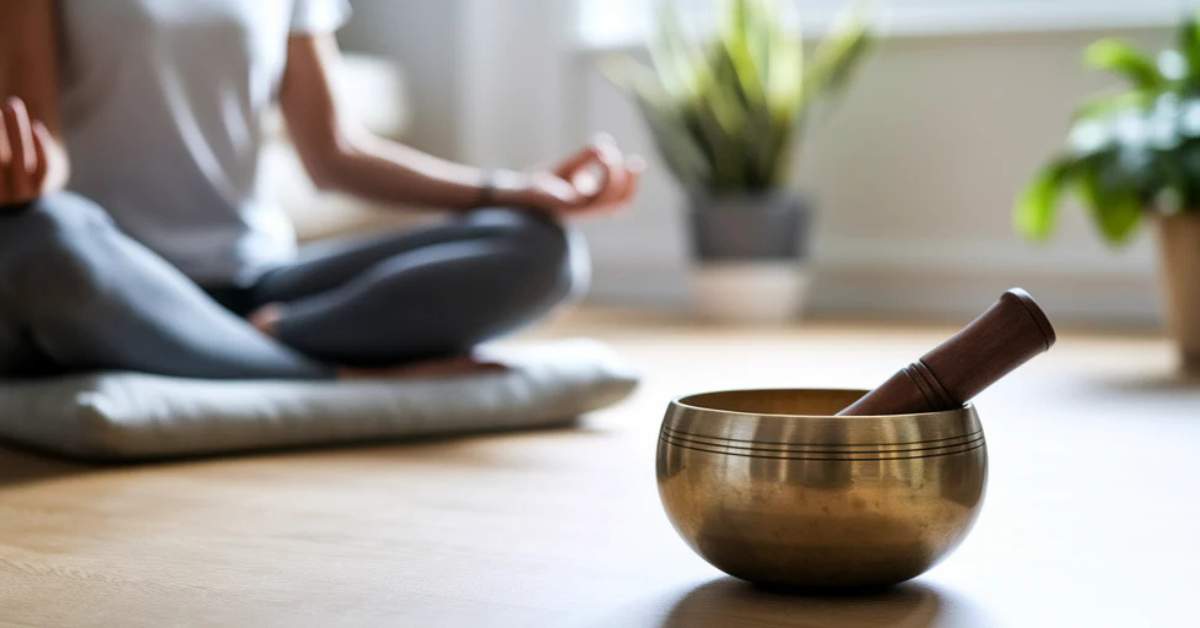
You can also pay attention to the simple vibration of sound. Some sounds, like the classic "Om," create a physical resonance in the chest and head that can feel incredibly grounding. Play around with different words and notice how they feel in your body. Does one make you feel lighter? Does another make you feel more rooted? Trust that feeling.
Weaving Mantras into Your Busy Life

Let’s be honest, most of us do not have an hour each day to sit on a special cushion in a silent room. And the good news is, you do not need it. A daily mantra practice can be woven into the small, in-between moments of your day. The real magic of how to use mantras is in their flexibility.
You can practice in "stealth mode" while waiting for your coffee to brew, during your commute, or even for thirty seconds before walking into a meeting. No one else needs to know. You can even get creative and turn routine activities into mindful moments, like with a shower meditation. There are a few ways to practice, and each feels a little different:
- Silently: Repeat the mantra in your mind. This is perfect for public spaces or when you need to be discreet.
- Whispered: Murmuring the phrase softly can help you focus, as the physical act of speaking engages more of your attention.
- Chanted Aloud: When you are alone, chanting can be powerful. Feeling the vibration of the sound adds a whole new layer to the experience.
A simple way to begin is by linking your mantra to your breath. Try repeating the first half on your inhale and the second half on your exhale. To make it feel achievable, why not try a Five-Minute Mantra Challenge? Pick one time of day, choose your phrase, and stick with it for a week. You might be surprised by the pockets of peace you create.
The Unexpected Perks of a Mantra Habit
Beyond the brain benefits we have already touched on, a consistent mantra practice offers some delightful physical perks. Much of this has to do with the vagus nerve, which acts like your body’s main "chill-out" button. The vibrations from chanting or even whispered repetition can stimulate this nerve, activating the body’s parasympathetic nervous system, also known as the "rest-and-digest" response.
This is your body’s natural antidote to the "fight-or-flight" mode many of us live in. As research mentioned by Integral Yoga Magazine suggests, even short sessions of chanting can block the release of stress hormones. The result is a cascade of calming effects throughout your body. To complement this state, you might explore some relaxing music and meditations that align with this newfound calm.
| Area of Impact | How It Works (The Simple Version) | The Happy Side Effect |
|---|---|---|
| Nervous System | Stimulates the vagus nerve, activating the 'rest-and-digest' response. | A feeling of deep calm and resilience to stress. |
| Heart Health | Slows the heart rate and can help balance blood pressure. | Less strain on your cardiovascular system. |
| Stress Hormones | Reduces the production of cortisol and adrenaline. | Fewer feelings of anxiety and being 'on edge.' |
| Digestion | Shifts the body out of 'fight-or-flight,' allowing for better digestive function. | A happier gut and more comfortable digestion. |
Note: These benefits are often observed with consistent practice and are part of the body's holistic response to reduced stress.
Remember, this practice is about progress, not perfection. The goal is not to achieve a perfectly silent mind but to create small, consistent moments of peace that add up over time.