Tune Into a Deeper Meditation Practice
The Connection Between Sound and Stillness
We’ve all experienced it. A certain song comes on the radio and suddenly your mood lifts, or a gentle melody helps you unwind after a long day. Sound has a direct line to our feelings. Sound healing simply takes this idea and uses it with intention, offering vibrations as a gentle guide for our state of mind. If you’ve ever sat down to meditate only to find your mind hosting a party for every thought you’ve ever had, you’re not alone. Sound can be a wonderful ally in these moments.
Think of it as a friendly hand to hold, helping to quiet the mental chatter so you can find that peaceful space within. It’s not a new-age trend but a timeless practice. Ancient cultures all over the world understood that specific tones could influence our inner world. You don’t need any special beliefs to get started, just an open ear and a curious mind. This practice is a supportive tool for any mindfulness journey, whether you are just starting or looking to deepen the different approaches found in our general meditation resources.
A User-Friendly Guide to Healing Frequencies
The idea of "frequencies" might sound a bit technical, but it’s actually quite simple. Think of it like tuning an old radio. Each turn of the dial brings in a different station with its own unique vibe. Sound frequencies, measured in Hertz (Hz), work in a similar way. Certain tones are believed to resonate with our bodies and minds, helping us tune into different states of being. The right sound frequencies for meditation can make all the difference.
The Solfeggio frequencies are a well-known set of these tones, and each has its own personality. For instance, 528 Hz is often called the "love frequency." It’s perfect for those moments when you feel creatively stuck or just need a gentle, heart-opening nudge. Some studies even suggest it can help reduce stress hormones like cortisol, highlighting the real solfeggio frequencies benefits. Then there’s 432 Hz, a frequency often called "nature's harmony." As the Calm blog explains, music tuned to this frequency is believed to align with the patterns of the natural world, promoting a sense of deep peace. Using 432 hz meditation music can feel like taking a walk in the woods without leaving your room.
The goal isn’t to memorize numbers but to notice how different sounds make you feel. It’s an intuitive exploration to discover what resonates with you. You can find a wonderful variety of music and meditations to begin your personal sound journey.
| Frequency | Common Association | Best For... |
|---|---|---|
| 396 Hz | Liberating Guilt & Fear | Feeling grounded and releasing negativity. |
| 417 Hz | Facilitating Change | Breaking out of a rut or overcoming challenges. |
| 528 Hz | Transformation & Miracles (Love) | Boosting creativity, love, and reducing stress. |
| 432 Hz | Nature's Harmony | Deep relaxation and a sense of peace. |
This table offers a simple starting point for exploring frequencies. The associated benefits are based on common interpretations in sound healing practices. The best way to know is to listen and see how you feel.
Simple Ways to Weave Sound into Your Practice
Getting started with sound healing doesn’t require a trip to a mountain monastery. You can begin right where you are, with what you already have. The key is to make it feel easy and joyful, not like another task on your to-do list. Here are a few simple ways to begin weaving sound into your daily routine.
- Start with Your Phone: The easiest entry point is right in your pocket. Use headphones and search for "Solfeggio frequencies" or "432 Hz music" on your favorite streaming service. You can begin your exploration without any special equipment.
- Keep it Short and Sweet: You don’t need an hour. Begin with 5-10 minute sessions. You can add a sound element before your regular meditation to help you settle in, or use it for a quick mental reset during a hectic workday.
- Try a Passive 'Sound Bath': For those days when even sitting still feels like too much work, try a sound bath. Lie down comfortably, play a sound healing track, and simply let the vibrations wash over you. It’s meditation without the effort, and a wonderful approach for anyone experiencing a sound bath for anxiety.
- Explore Beyond Frequencies: Don't limit yourself. Experiment with nature sounds like gentle rain or ocean waves, or even soft ambient music. See what helps your mind and body relax the most.
This practice is incredibly flexible and personal. As you get more comfortable, you might find yourself drawn to more immersive experiences. For those moments, our guided meditation journeys can offer a beautiful next step, blending voice and sound to lead you deeper.
Exploring Your Sound Healing Toolkit

While streaming sounds on your phone is wonderfully convenient, there’s something special about working with physical instruments. The vibrations they create are tangible. You don’t just hear them, you feel them in your body, adding a whole new layer to the experience. If you’re curious about exploring this, here are a few popular tools.
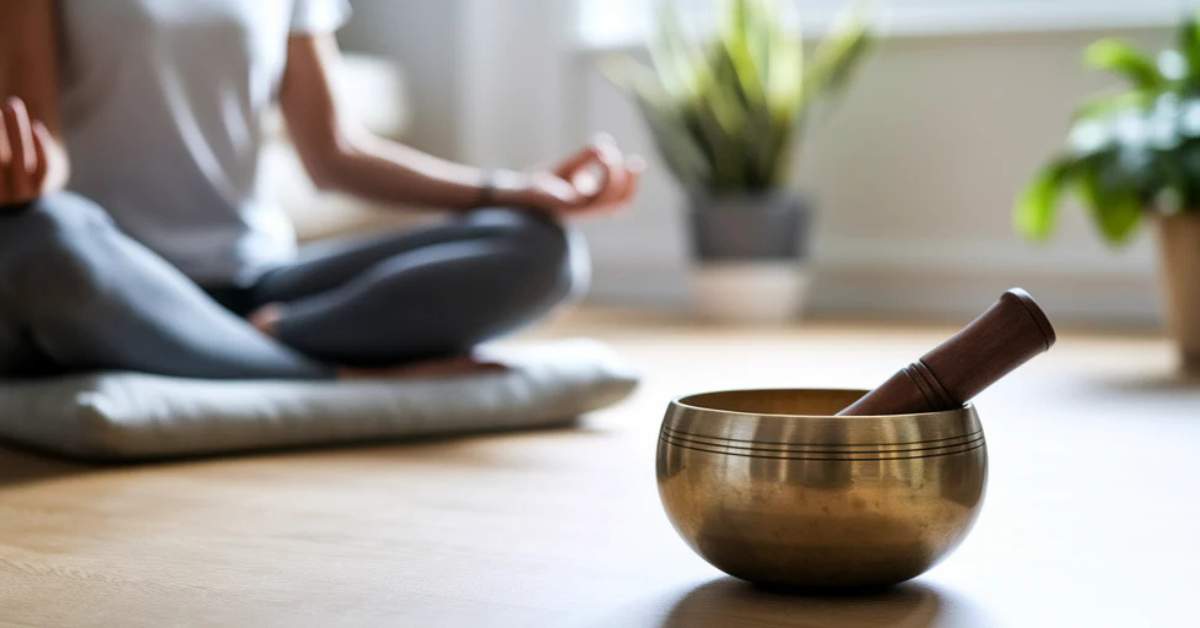
- Singing Bowls (Tibetan and Crystal): These are perhaps the most well-known tools for sound healing. Tibetan bowls, made from metal alloys, offer a deep, grounding hum that feels ancient and wise. Crystal bowls, made from quartz, produce a pure, high-frequency tone that feels light and ethereal. A meditation with singing bowls can be a profoundly centering practice.
- Tuning Forks: These are precise and focused instruments. Think of them as "acupuncture with sound." They are designed to deliver a specific frequency to a targeted area of the body, helping to encourage balance and release tension. This precision is often used to work with the body's energy centers, which you can learn more about in our guide to the seven chakras and their colors.
- Gongs: Gongs are the powerhouses of the sound healing world. A gong bath is a truly immersive experience, with deep, complex vibrations that can help release emotional blockages and guide you into a state of profound relaxation.
When choosing an instrument, let your intuition be your guide. If you can, visit a local wellness shop to hear and feel them in person. The right tool is simply the one that sings to you.
The Soothing Science Behind the Sound
While the experience of sound healing can feel magical, there’s some fascinating science that helps explain why it works so well. Our brains operate on different frequencies, or brainwaves. When we’re busy, stressed, or overthinking, our brain is typically in a fast-paced Beta state. Sound can gently influence these patterns, helping the brain shift into calmer Alpha and Theta states, which are associated with relaxation, creativity, and meditation.
A 2020 review highlighted by Verywell Mind notes how sound therapy can significantly alter brain waves to these calmer forms. This mental shift triggers physical responses, like a slower heart rate, deeper breathing, and a reduction in stress hormones. It’s a beautiful chain reaction of calm. Just as thoughtful high-performance design in architecture creates physical environments that support our well-being, learning how to use sound healing creates an inner environment of peace. While the science is interesting, the most important proof is your own experience. The feeling of stillness that settles over you is all the evidence you need. To continue your journey, you can explore more ways to Feed Your Spirit on our homepage.